

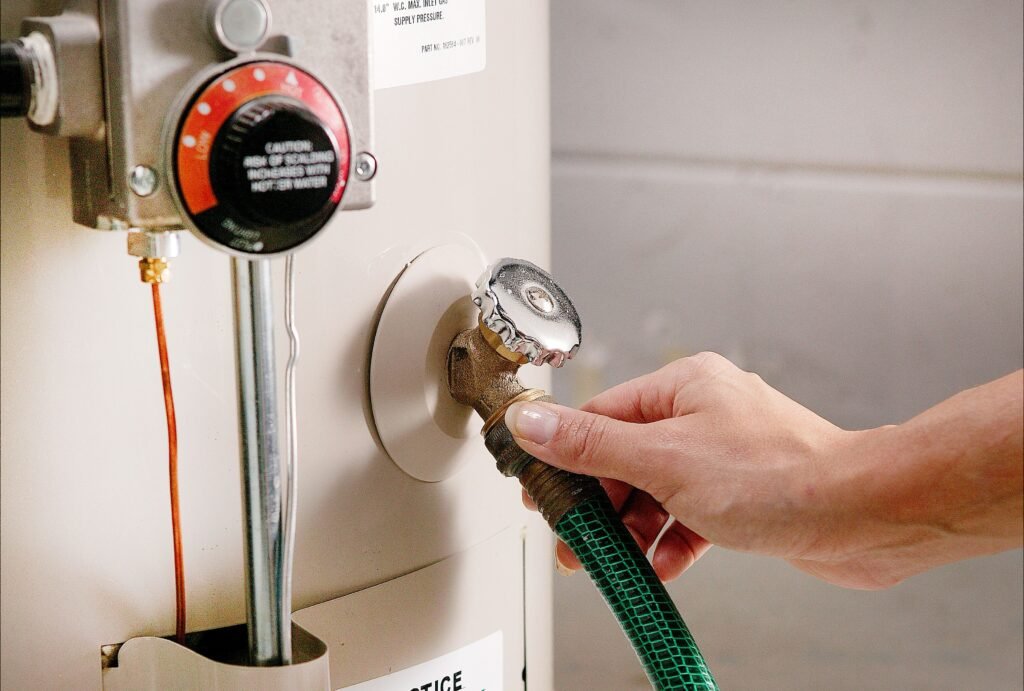
The Hidden Consequences of Not Flushing Your Water Heater
Your water heater is one of the hardest-working appliances in your home — quietly providing hot water for showers, dishes, laundry, and more. But unlike many appliances, it’s often forgotten until something goes wrong.
One of the most important — and most overlooked — maintenance tasks is flushing your water heater. Skipping this simple service can lead to costly, inconvenient, and sometimes dangerous consequences.
Here’s what happens when your water heater isn’t flushed regularly.

1. Sediment Buildup Shortens the Life of Your Heater
In Charleston and the Lowcountry, our water contains minerals like calcium and magnesium. Over time, these minerals settle at the bottom of your tank (or inside a tankless heat exchanger) as sediment.
What that causes:
- Reduced tank capacity
- Overheating at the bottom of the tank
- Premature failure of heating elements
- Cracks and internal corrosion
Sediment acts like insulation, forcing your water heater to work harder — and wear out faster. A unit designed to last 10–12 years may fail years early if it’s never flushed.
2. Higher Energy Bills (For the Same Hot Water)
When sediment coats the heating element or tank bottom, heat can’t transfer efficiently to the water.
That means:
- Longer run times
- More energy usage
- Higher electric or gas bills
You end up paying more money for less performance, all because the heater is fighting through layers of mineral buildup.
3. Lukewarm or Inconsistent Hot Water
Have you noticed:
- Hot water running out faster than it used to?
- Water that never gets quite hot enough?
- Temperature swings during showers?
Sediment takes up space in the tank and interferes with heat transfer. You’re essentially heating rocks instead of water.
For tankless systems, scale buildup restricts flow and heat exchange, leading to inconsistent temperatures and error codes.

4. Increased Risk of Leaks and Water Damage
Sediment doesn’t just reduce efficiency — it accelerates corrosion.
Over time, this can lead to:
- Rust inside the tank
- Weakening of the tank lining
- Small leaks that turn into major failures
When a water heater fails catastrophically, it can flood garages, closets, or utility rooms — causing thousands of dollars in damage beyond the cost of the heater itself.
5. Strange Noises Aren’t “Normal”
Popping, rumbling, or banging noises from your water heater are often caused by sediment trapping water underneath it. As the trapped water boils, it creates pressure bubbles that burst through the sediment layer.
Those sounds mean:
- Your heater is overheating
- Components are under stress
- Failure may be approaching
Ignoring the noise doesn’t fix the problem — it makes it worse.
6. Tankless Water Heaters Aren’t Maintenance-Free
Many homeowners assume tankless units don’t need flushing. That’s a costly myth.
Without regular descaling:
- Heat exchangers clog with mineral deposits
- Flow sensors fail
- Efficiency drops sharply
- Manufacturer warranties may be voided
Most manufacturers recommend annual flushing — even more often in hard-water areas like ours.
7. Small Maintenance vs. Big Replacement Costs
Flushing a water heater is:
- Affordable
- Preventative
- Fast
Replacing a failed water heater is:
- Expensive
- Disruptive
- Often urgent
Regular maintenance helps you avoid emergency replacements, water damage, and surprise expenses.

How Often Should You Flush Your Water Heater?
For most homes in the Lowcountry:
- Tank water heaters: Once per year
- Tankless water heaters: Once per year (sometimes every 6 months with hard water)
If your home has never had this service, it’s especially important to start now.
Let Happy House Handyman Help
At Happy House Handyman, we believe a happy home starts with smart maintenance. Flushing your water heater:
- Extends its life
- Improves performance
- Saves money
- Reduces the risk of unexpected breakdowns
If you’re not sure when your water heater was last serviced — or if it ever has been — we’re happy to help.
📞 Schedule a water heater flush today and keep your home running smoothly.
Happy House. Happy Spouse.